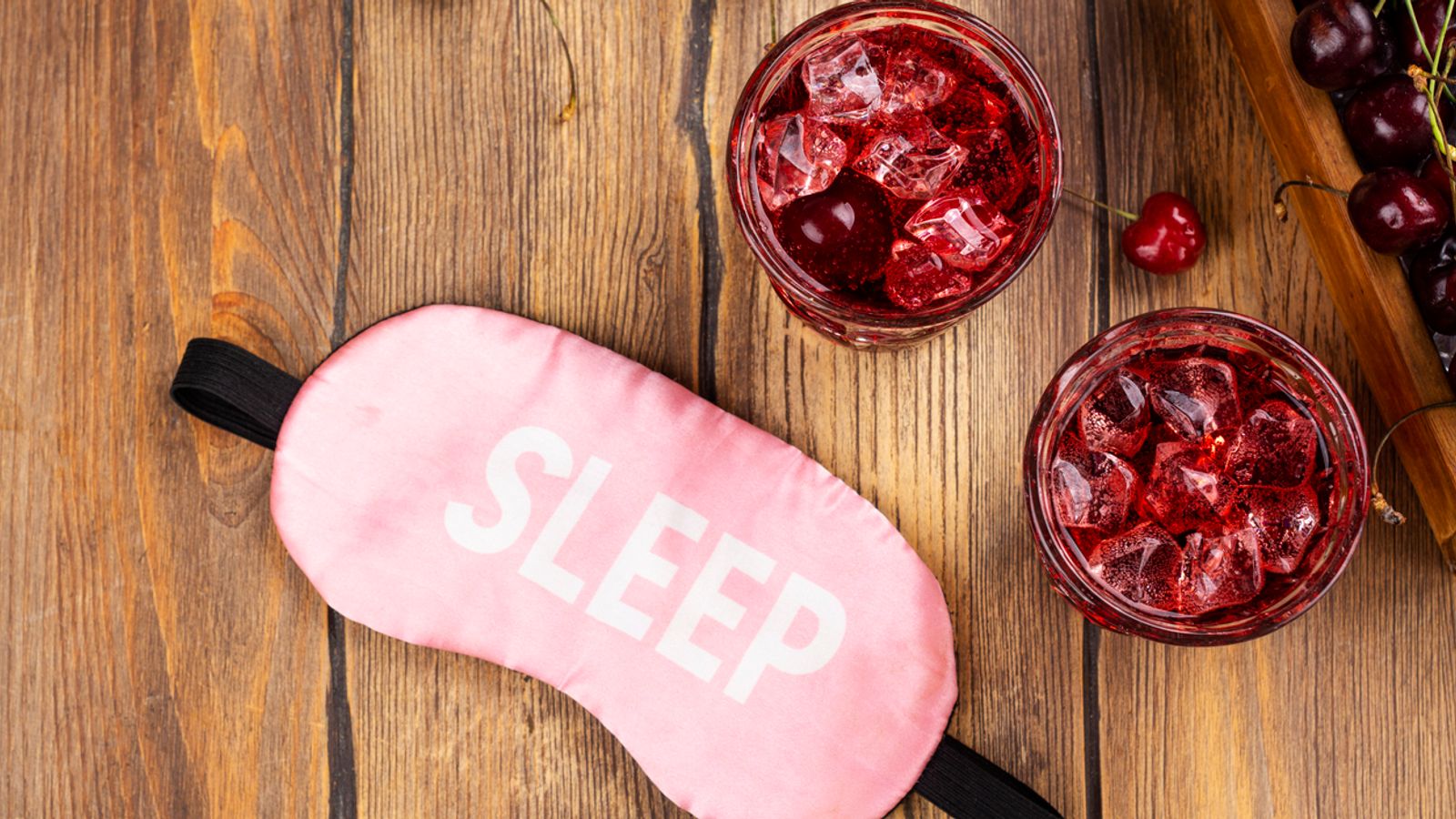
In 2026, wellness looks very different from what it did a decade ago. We’ve burned out on hustle culture. We’ve tried the green juices, supplements, detox teas, 5 a.m. routines, cold plunges, journaling, manifestation and productivity hacks. And yet, despite doing more than ever for our “wellness” there is a quiet exhaustion spreading across the world. People are tired. Not just physically. But mentally, emotionally and hormonally.
A 2025 global survey by the American Psychological Association reported that 61% of adults feel more exhausted in daily life now than ever before. Sleep researchers at the University of Pennsylvania estimate that 1 in 3 adults now experiences poor-quality sleep, even if they technically get 7–8 hours in bed. In other words: We are sleeping, but we’re not resting. Which brings us to the biggest wellness awakening of 2026, the global rise of SLEEPMAXXING, the practice of optimizing sleep as a core pillar of health, emotional well-being, beauty, weight management and longevity.
Sleepmaxxing isn’t simply “going to bed early.” It is a strategic, evidence-backed approach to upgrading the quality, depth and restorative power of your sleep.
What Exactly is Sleepmaxxing?
Sleepmaxxing refers to the intentional optimization of sleep using behavioral science, neuroscience, nutrition, light exposure control, environmental adjustments, hormonal balancing and consistent routines to maximize deep and REM (Rapid Eye Movement) sleep.
It is built on four scientific pillars:
1. Circadian rhythm alignment: Syncing your sleep-wake cycle with your natural biological clock.
2. Deep sleep optimization: Improving the phase where repair, growth and regeneration occur.
3. REM sleep enhancement: Enhancing the stage responsible for emotional processing, memory and creativity.
4. Sleep environment engineering: Designing your room, habits, and evening routine to support neurological rest.
Sleepmaxxing is not a trend but a wellness framework recognizing that sleep is the foundation upon which all health processes depend.
For decades, sleep was seen as a passive state. A quiet pause between days. But neuroscience over the past 20 years has revealed the opposite: Sleep is an active, highly orchestrated biological event that affects nearly every system in the human body. Here are the most striking scientific discoveries shaping the sleepmaxxing movement:
a. Sleep influences over 700 genes
A landmark study from the University of Surrey in the UK found that even one week of partial sleep deprivation alters the expression of 711 genes. These genes regulate:
- immune strength
- inflammation
- metabolism
- stress physiology
- cardiovascular function
- aging processes
In other words: Poor sleep rewrites your genetic functioning, almost immediately.
b. The brain only detoxifies during sleep
The brain contains a system known as the glymphatic system, a waste-removal network that clears toxic metabolites, such as beta-amyloid and tau proteins (strongly linked to Alzheimer’s). This system switches on only during deep sleep.
Poor sleep = toxic buildup = impaired cognition.
A 2023 study from Boston University showed that deep sleep increases glymphatic flow by up to 60%, effectively “washing the brain” each night.
c. Sleep protects mental health
Sleep scientist Matthew Walker found that insufficient sleep is the strongest predictor of next-day emotional reactivity.
MRI scans show:
- The amygdala becomes up to 60% more reactive after a night of poor sleep.
- The prefrontal cortex; responsible for logic, impulse control, and emotional regulation, becomes disconnected from emotional centers.
This is why sleep-deprived people often feel:
- overwhelmed
- easily annoyed
- anxious
- sensitive
- unproductive
- “not themselves”
Sleep is not just for energy. It is for emotional stability.
d. Sleep is where the body heals and rebuilds
During deep sleep:
- growth hormone (GH) peaks
- tissue regeneration occurs
- immune cells multiply
- muscle repair accelerates
- collagen production increases
- inflammation decreases
- the body recovers from daily stressors
Skipping deep sleep is like skipping the body’s repair shop.
e. REM sleep improves memory, creativity & emotional processing
REM sleep is responsible for:
- processing emotional experiences
- consolidating memories
- learning new skills
- improving creativity
- decision-making
Without REM sleep, you may technically sleep but you wake up emotionally unstable.
The Hormone-Sleep Connection
One reason sleepmaxxing is exploding in popularity: People are finally understanding that sleep controls their entire hormonal system. Let’s break down the major hormones impacted by sleep.
a. Cortisol (Stress hormone)
Poor sleep elevates cortisol, your stress chemical. Chronic high cortisol leads to:
- anxiety
- belly fat
- irritability
- cravings
- weakened immunity
- burnout
- brain fog
Quality sleep reduces cortisol by up to 40% overnight.
b. Ghrelin & Leptin (Hunger hormones)
A well-known Stanford study demonstrated that sleep deprivation causes:
- Ghrelin (hunger hormone) ?
- Leptin (fullness hormone) ?
This means you feel hungrier even after eating and crave high-calorie foods.
This is why people who sleep less are 55% more likely to gain weight.
c. Insulin (Blood sugar regulation)
A single night of sleep restriction reduces insulin sensitivity by 33% comparable to eating a high-sugar diet for a week. Long-term impact:
- increased fat storage
- higher risk of type 2 diabetes
- slowed metabolism
d. Melatonin (Sleep hormone)
Blue light, late-night screens and erratic schedules suppress melatonin production.
Melatonin is crucial for:
- circadian rhythm
- deep sleep induction
- antioxidant protection
Sleepmaxxing restores natural melatonin cycles.
e. Growth hormone (Repair, anti-aging)
This anti-aging hormone spikes during deep sleep. Low GH leads to:
- accelerated aging
- poor muscle tone
- slower recovery
- high body fat
Good sleep ? better skin, better body composition, slower aging.
The Mental Health Connection no One Can Ignore
Major psychology journals have published findings showing that sleep deprivation mimics symptoms of:
- anxiety disorder
- depressive episodes
- mood disorders
- ADHD-like concentration problems
This is why sleepmaxxing has been embraced by therapists as a foundational intervention.
Sleep is the cheapest, most accessible mental health tool in existence.
Two nights of restorative sleep can:
- stabilize mood
- reduce emotional sensitivity
- improve social interactions
- decrease anxiety
- boost motivation
This is not self-help hype, it is neuroscience.
Sleep and Weight
Weight loss programs that ignore sleep set people up for failure. Scientific findings:
- Sleep-deprived people consume 300–500 more calories per day.
- Poor sleep increases cravings for carbs and sugar.
- Metabolism slows by up to 15% when sleep is inadequate.
- Poor sleepers lose more muscle and less fat, even with calorie restriction.
Meaning:
If you’re not sleeping well, your body resists weight loss.
Sleep and Beauty (The anti-aging secret)
Dermatology research confirms that sleep accelerates:
- collagen production
- skin barrier repair
- hydration retention
- cell turnover
Poor sleep, meanwhile:
- increases wrinkles
- dulls skin
- worsens acne
- causes under-eye circles
- increases inflammation
A clinical study by Estée Lauder found that people who sleep poorly show accelerated skin aging and poor skin barrier function. Your skin literally wears your sleep.
The Stages of Sleep
A complete sleep cycle lasts 90–110 minutes and contains:
Stage 1: Transition to sleep
Lightest stage.
Stage 2: Light sleep
Heart rate slows, muscles relax.
Stage 3 & 4: Deep sleep (Slow-wave sleep)
- Physical repair
- Cell regeneration
- Growth hormone release
- Immune strengthening
This is the “healing stage.”
REM Sleep
- Emotional processing
- Learning and memory
- Creativity
- Stress regulation
This is the “mental reset” stage.
Sleepmaxxing aims to increase both deep and REM sleep strategically.
What’s Destroying People’s Sleep
The modern world is working against our biology. The biggest sleep disruptors:
- Blue light exposure at night
- Irregular sleep schedules
- Late-night overstimulation
- High stress and anxiety
- Caffeine consumed after 2 p.m.
- Warm bedrooms
- Alcohol before bed
- Social media overuse
- Overthinking at night
- Ultra-processed foods
Sleepmaxxing is the antidote.
How Much Sleep Do You Actually Need?
Research from The National Sleep Foundation recommends:
- Adults: 7–9 hours
- Older adults: 7–8 hours
- Teens: 8–10 hours
But the quality matters more than the quantity.
Ideal targets:
- At least 1.5–2 hours of deep sleep
- At least 1.5–2 hours of REM sleep
If you wake up exhausted even after 8 hours, your deep/REM sleep is not optimized.
How to Start Sleepmaxxing
Here is the scientifically validated system to optimize sleep.
a. Reset your circadian rhythm
- Get sunlight within the first 10 minutes of waking.
- Wake up at the same time daily.
- Avoid bright screens at least 60 minutes before bed.
- Follow a consistent meal schedule.
- Dim lights after 9 p.m.
This alone improves sleep quality dramatically.
b. Build a powerful night routine
A proven wind-down routine:
- Warm shower
- Journaling or brain dump
- Gentle stretching
- Herbal tea (chamomile, valerian root, or lavender)
- Soft lighting
- No screens while in bed
- Slow music or white noise
Your brain needs a slow transition into sleep.
c. Engineer your bedroom for deep sleep
The ideal sleep environment:
- Temperature: 16–19°C / 60–67°F
- Blackout curtains
- No phones on the bed
- High-quality bedding
- Essential oils like lavender
- Minimal noise
Your bedroom should feel like a sanctuary.
d. Nutrition for better sleep
Foods that support sleep:
- Kiwi (increases sleep onset by 35%)
- Almonds (magnesium)
- Bananas
- Whole grains
- Fatty fish
- Chamomile tea
Avoid:
- Caffeine after 2 p.m.
- Heavy meals late at night
- Alcohol before bed
- Sugary snacks close to bedtime
e. Manage stress before bed
Techniques proven to reduce nighttime anxiety:
- 4-7-8 breathing
- Meditation
- Gratitude journaling
- Prayer
- Aromatherapy
Regulating your nervous system = better sleep.
Why Sleepmaxxing Will Dominate Self-Care in 2026
Because it solves the root cause of modern health challenges:
- burnout
- anxiety
- mood swings
- weight gain
- inflammation
- low energy
- hormonal imbalance
- brain fog
People are tired of surface-level fixes. They want real transformation, not temporary relief. Sleepmaxxing gives that transformation.
It is free, accessible, science-backed, and life-changing.
In conclusion, you can meditate, eat clean, exercise, take supplements and journal…but if you are chronically sleep-deprived, your body remains in survival mode.
Sleep is:
- your mental health stabilizer
- your metabolism regulator
- your emotional buffer
- your hormone balancer
- your memory enhancer
- your natural detoxifier
- your anti-aging tool
- your productivity enhancer
In 2026, the new self-care isn’t spa days, vacations or scented candles. It’s alignment with your biology.
The new luxury is rest. The new status symbol is being well-rested. The new glow-up is sleep.
If you want to feel healthier, happier, calmer, sharper, and more grounded, start with sleep. Sleepmaxxing might just be the greatest gift you give yourself.


